
Florida
Our mission is to save lives by meeting the most critical needs of our communities and investing in breakthrough research to prevent and cure breast cancer.
Florida
Our mission is to save lives by meeting the most critical needs of our communities and investing in breakthrough research to prevent and cure breast cancer.
Need Help?
Call our breast care helpline to assist with finding local screening and diagnostic facilities or clinical research trials, requesting financial assistance, or other questions or care needs.
Get Involved
Help us reach our vision of a world without breast cancer by getting involved in our local community.
Susan G. Komen Tampa Bay
MORE THAN PINK Walk
Saturday, October 5, 2024
Join us as we unite in the fight against breast cancer. Together, we’ll raise crucial funds to help those impacted by breast cancer when they need it most.
Ending breast cancer needs hope.
Ending breast cancer needs compassion.
Ending breast cancer needs all of us.
Susan G. Komen Miami/Ft Lauderdale
MORE THAN PINK Walk
Saturday, October 29, 2024
Creating a world without breast cancer begins with you.
Make an impact in the fight against breast cancer as we walk to provide hope for survivors and strength for those in treatment while honoring those we’ve lost.
Ending breast cancer needs all of us.
Register Today
Join Our Committee
Our Florida MORE THAN PINK Walks are looking for members serve in a volunteer role at the committee level to help secure new partners and corporate teams and lend their name and company name to the mission. We have opportunities in Tampa Bay, Miami/Ft. Lauderdale, West Palm Beach and Orlando.
Contact us to get involved.
Thanks to Our Sponsors!
Help us give a special THANK YOU to our Local More Than Pink Walk Sponsors who are making a big impact in our fight against breast cancer. Let’s support the generous organizations and businesses that support our community!
I want to be a sponsor
Go Pink for the Cure!
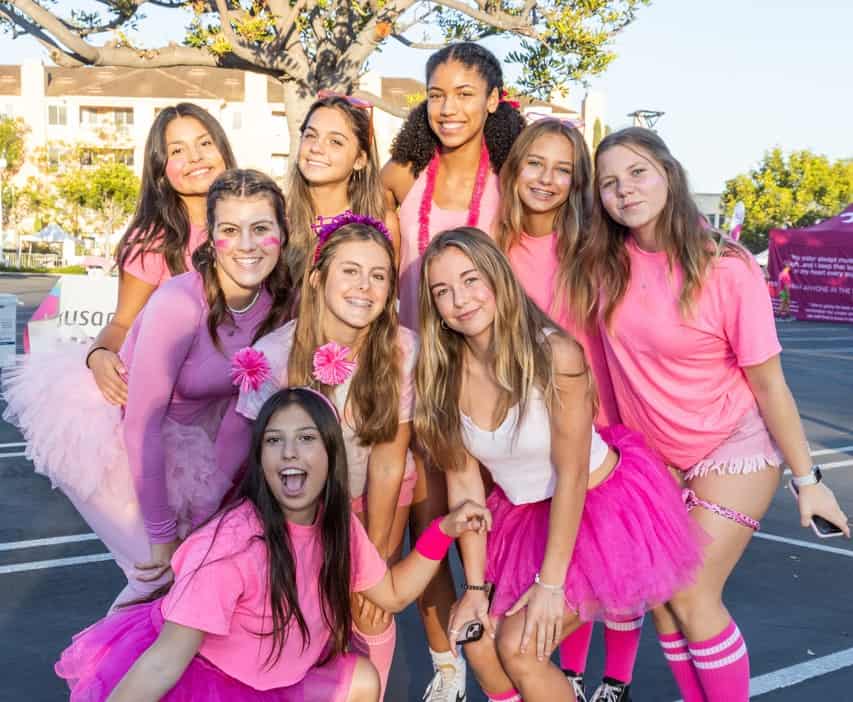
When you organize a Go Pink for the Cure event, your school community’s passion and determination can help make a real difference in our mission to end breast cancer forever. Let’s get started!
Learn MoreLocal Events
Join the fight to end breast cancer by attending an event in Florida!
Questions? Contact Us
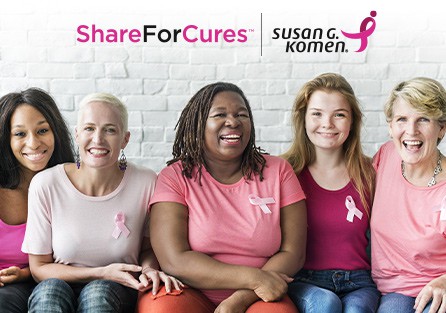
ShareForCures
Your breast cancer information is as unique as you are. When combined with thousands of other ShareForCures members, you provide scientists with a more diverse set of data to make new discoveries, faster.
Latest News & Information

Spotlight on Clinical Trials: Shining a Light on Breast Cancer Disparities
“In the Black community, there’s a stigma about treatment, clinical trials and research. We have to understand that there’s not enough data to help us if we get sick. There’s not enough data to create treatments that will help us. We need to participate in clinical trials.” Sharon Elmore-Anderson Patient Advocate Living with Metastatic IBC
The post Spotlight on Clinical Trials: Shining a Light on Breast Cancer Disparities appeared first on Susan G. Komen®.
Statement on Passage of Diagnostic and Supplemental Imaging Legislation in Vermont
MONTPELIER – Susan G. Komen®, the world’s leading breast cancer organization, today issued the following statement on the passage of H.621, critical breast imaging legislation in Vermont. Diagnostic and supplemental imaging is a critical form of breast cancer screening for some high-risk individuals and an important step in determining the need for a biopsy to […]
The post Statement on Passage of Diagnostic and Supplemental Imaging Legislation in Vermont appeared first on Susan G. Komen®.
Florida
Contact Us
Susan G. Komen Florida
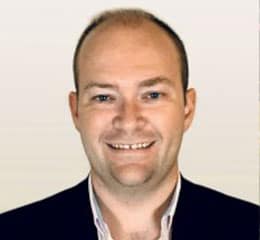
State Executive Director: Sean Gross
Email: sgross@komen.org
Phone: 972-855-4320